


 Language



 Sep 21, 2026
 112
On September 3, 2026, TESLA’s Cybercab officially entered autonomous operation in Austin, Texas. Designed specifically for driverless mobility, the electric vehicle removes the conventional steering wheel, pedals and traditional exterior mirrors, representing a new vehicle concept centered on autonomous driving and shared mobility.
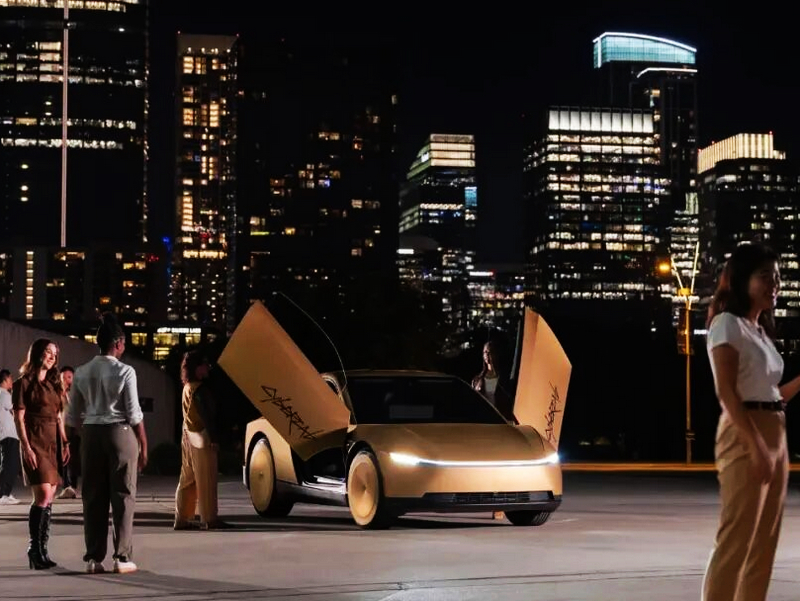
The Cybercab adopts a simplified two-seat interior with two bench-style seats and a central touchscreen. Without a conventional driver’s cockpit, the vehicle is designed around passenger experience and continuous fleet utilization. Its development also incorporates a modular “unboxed” manufacturing approach, allowing subassemblies to be produced in parallel before final assembly to improve production efficiency and support lower manufacturing costs.
Energy efficiency is another key aspect of the Cybercab’s design. According to TESLA, the vehicle is expected to achieve an efficiency of approximately 9.8 km per kWh, equivalent to energy consumption of about 10.2 kWh per 100 km. Lightweight engineering and an electric powertrain are used to reduce energy consumption and improve operating efficiency for high-frequency autonomous mobility services.
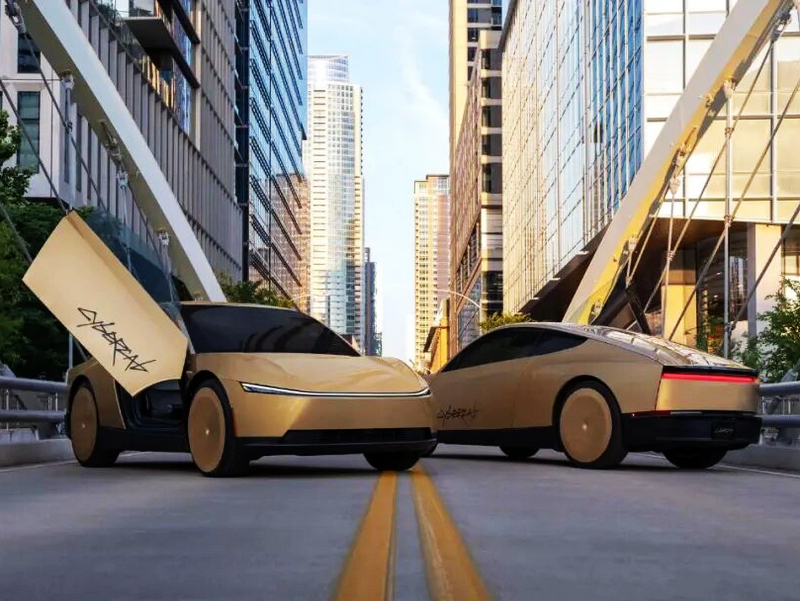
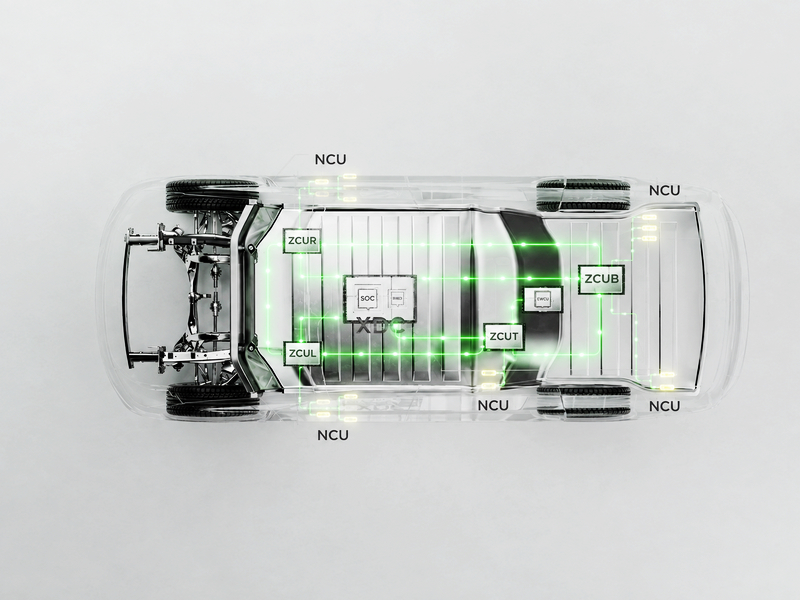
The vehicle integrates an end-to-end vision-based autonomous driving system derived from TESLA’s existing driver-assistance technology. Its body structure uses high-strength reinforced steel in key areas, while continuous over-the-air software updates enable autonomous driving and vehicle functions to be further refined through real-world operating data. The vehicle is also designed to support automated wireless charging and cleaning, reducing the need for manual intervention during fleet operation.
The Cybercab further redefines the passenger cabin around autonomous mobility. A 22-inch central display provides access to vehicle controls, climate functions, entertainment and other settings, while personalized preferences can be synchronized across vehicles. The combination of autonomous driving, integrated energy management, software-defined functions and automated fleet maintenance demonstrates how electric vehicles are evolving from transportation products toward intelligent mobility platforms.






 Facebook
 Linkedin
 Youtube
 Twitter
 Instagram
 TikTok
Quantum Dynamics Limited







 +86-21-6109-6358
 +86-21-6109-6358
 +86-157-3713-7170
+86-152-5620-9535

 Suite 5503, Shanghai Tower, No. 501 Yincheng Middle Road, Pudong New Area, Shanghai 200120, China