


 Language



 Sep 18, 2026
 187
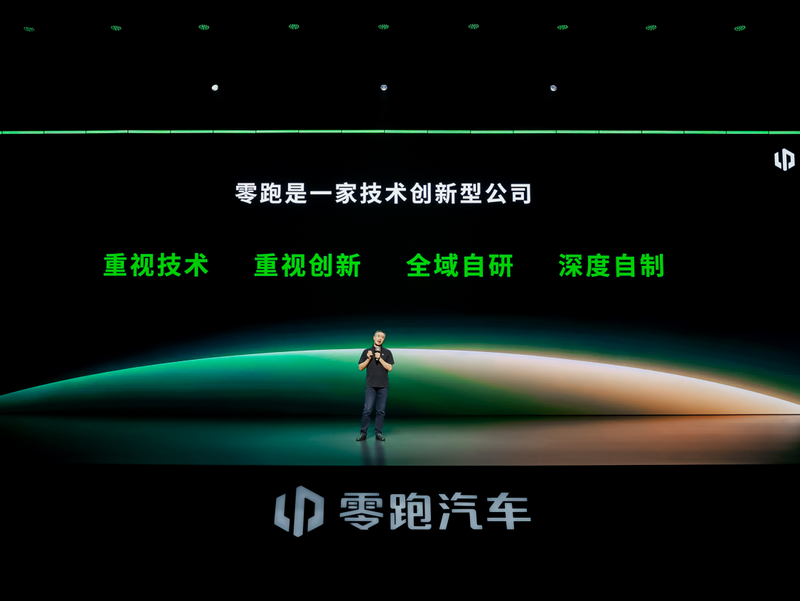
China’s new energy vehicle industry is shifting from scale-driven growth toward technology-led competition. At its Technology Day in Huzhou, Zhejiang, on September 16, 2026, LEAPMOTOR presented its latest advancements in vehicle architecture, intelligent driving, electric drive and battery systems, highlighting the role of in-house research and development in improving vehicle performance and integration.
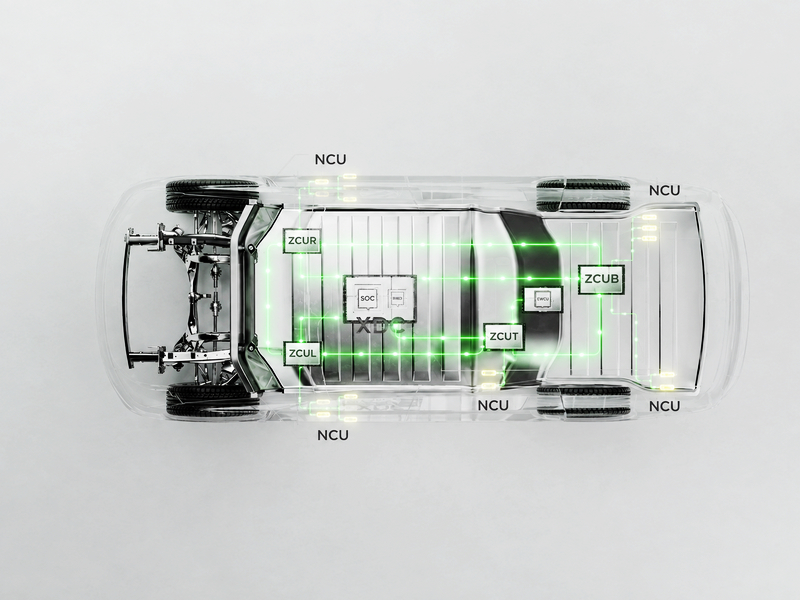
LEAPMOTOR’s LEAP 5.0 architecture combines a new physical vehicle architecture with the Clover 5.0 central domain control system. The physical architecture uses three-dimensional space optimization to increase cabin length by 19%, front-row legroom width by 37.5% and cabin height by 63.7%. Clover 5.0 integrates 48V power supply, in-vehicle Ethernet and a cloud-connected AgentOS, with centralized vehicle control and wiring reduced to 500 meters.
The company also introduced three core technologies. Its LWM world-model-based driver assistance system is designed to reduce reliance on predefined rules and supports computing platforms ranging from 200 TOPS to 1,280 TOPS. LEAPMOTOR says the system reduces code volume by 90%. The MM-i multi-mode hybrid electric drive system reuses the generator for propulsion and integrates dual electromagnetic clutches on a common axis, reducing system volume by 25% and weight by 40%, with a reported drive efficiency of 91.5%.
The CTC 3.0 integrated high- and low-voltage battery system incorporates the low-voltage battery into the main battery pack, eliminating the conventional separate battery. According to LEAPMOTOR, this increases low-voltage battery capacity sevenfold and enables maintenance-free operation over the vehicle’s lifetime. The company also announced that it would make related patents available to the industry.
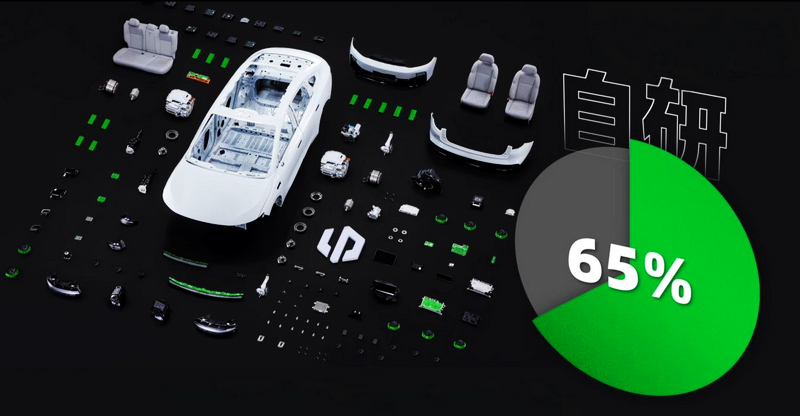
LEAPMOTOR’s technology strategy is supported by its in-house development and manufacturing network. The company reports independent control over 65% of vehicle costs, 18 component factories and a 90% platform commonality rate. It also supplies vehicle-level technologies and systems to external partners, including FAW and Stellantis. These capabilities are intended to support cost efficiency, product development and broader technology deployment across the automotive industry.





 Facebook
 Linkedin
 Youtube
 Twitter
 Instagram
 TikTok
Quantum Dynamics Limited







 +86-21-6109-6358
 +86-21-6109-6358
 +86-157-3713-7170
+86-152-5620-9535

 Suite 5503, Shanghai Tower, No. 501 Yincheng Middle Road, Pudong New Area, Shanghai 200120, China