


 Language



 Sep 23, 2026
 137
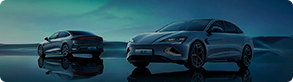
GEELY GALAXY M7 made its technology debut on March 13, 2026, introducing the Shield Brick Battery and a series of new energy technologies for the mainstream plug-in hybrid SUV segment. The model combines long electric range, high-efficiency powertrain technology, battery safety and chassis tuning to improve overall energy efficiency and driving performance.
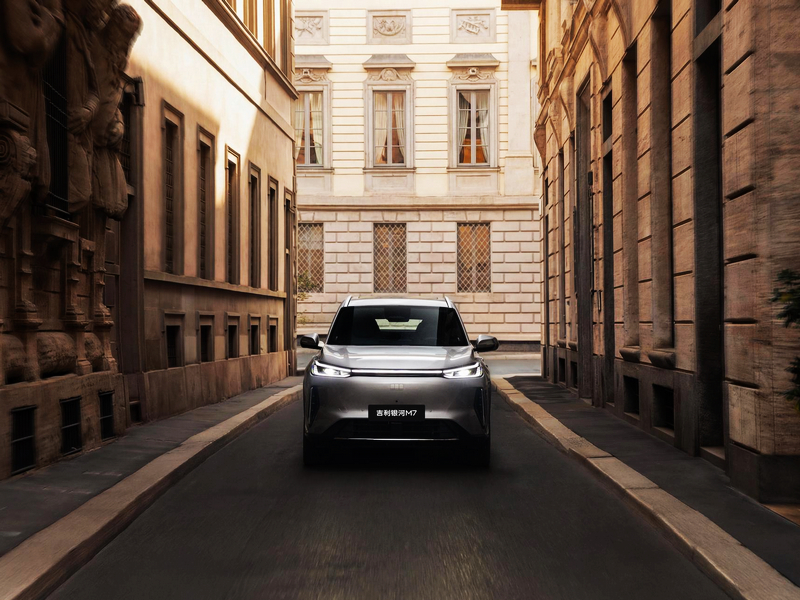
The Shield Brick Battery is designed specifically for hybrid applications and focuses on long range, fast charging, durability and safety. The battery pack uses an optimized cell layout that increases space utilization by 5%, enabling an additional 3 kWh of energy capacity and extending pure-electric range by 25 km. With a 29.8 kWh battery pack, the GALAXY M7 achieves a CLTC pure-electric range of 225 km and a combined range of up to 1,730 km.
Charging and battery durability have also been optimized. The battery supports 30% to 80% fast charging in approximately 15 minutes through improvements in lithium-ion charging and thermal management. Its cells are rated for more than 4,500 charge cycles, while self-healing SEI technology and intelligent battery maintenance systems are designed to support long-term durability. A multi-layer safety system combines cell-level, pack-level and cloud-based monitoring, with reinforced battery-pack structures and bottom protection.
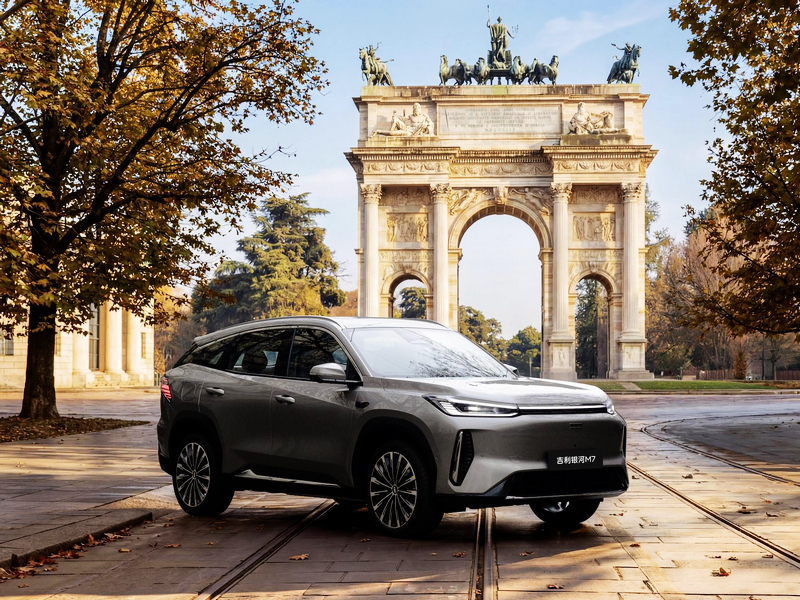
The powertrain integrates a high-efficiency hybrid engine with a highly integrated electric drive system. The Thunder 11-in-1 electric drive reaches a reported overall efficiency of 93.1%, while the 175 kW electric motor uses X-Pin oil-cooled flat-wire winding technology to reduce energy losses. The hybrid engine achieves a maximum thermal efficiency of 47.26%. Combined with intelligent energy management and a 0.27 Cd aerodynamic design, the vehicle targets lower energy consumption across different driving conditions, with a reported fuel consumption of 3.35 L/100 km under charge-sustaining conditions.
Chassis engineering is another focus of the GALAXY M7. The vehicle achieves a near 50:50 front-to-rear load distribution, while its suspension combines a MacPherson front structure with a multi-link rear setup and adaptive damping. In testing, the model recorded an 81 km/h elk test result, while its braking system achieved a reported 35.6-meter stopping distance from 100 km/h. Intelligent traction control and virtual chassis simulation are further used to optimize vehicle stability, braking and handling across different road conditions.
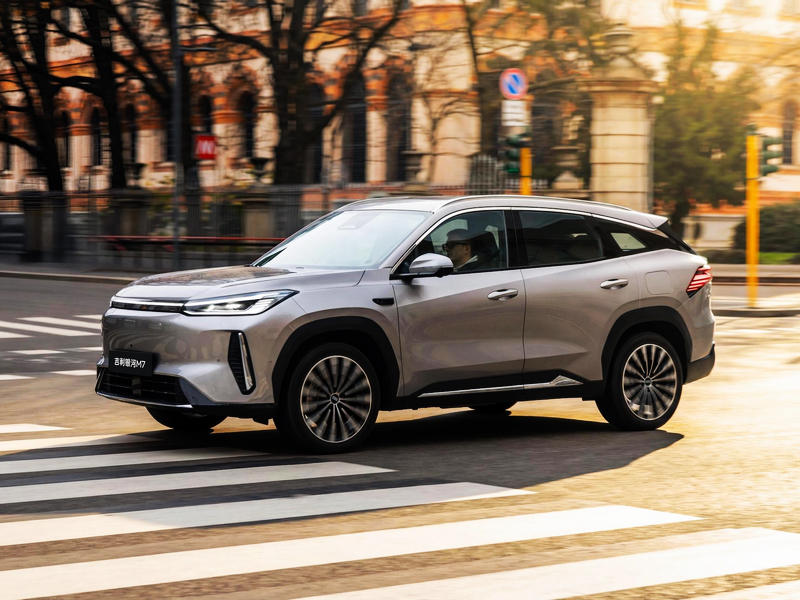
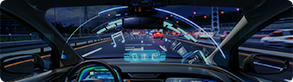
The vehicle also integrates intelligent cockpit and driver-assistance technologies, including the Flyme Auto 2 system, a 15.4-inch 2.5K central display and an intelligent voice interaction system. Its advanced driver-assistance system combines multiple sensors and computing hardware to support highway navigation assistance, automated parking and active safety functions. Overall, the GALAXY M7 demonstrates how battery technology, hybrid powertrain efficiency, chassis engineering and intelligent vehicle systems are being integrated to improve the technical capabilities of mainstream new energy SUVs.




 Facebook
 Linkedin
 Youtube
 Twitter
 Instagram
 TikTok
Quantum Dynamics Limited







 +86-21-6109-6358
 +86-21-6109-6358
 +86-157-3713-7170
+86-152-5620-9535

 Suite 5503, Shanghai Tower, No. 501 Yincheng Middle Road, Pudong New Area, Shanghai 200120, China